

Work Boots for Tradies
One working week can mean several sites. Choose boots for the protection required on each job, then check support, fastening and room through the forefoot.
Ergonx guides / Australia
Find your starting point by trade or workplace. Each guide explains what to check, how the work changes the choice and which Ergonx styles to compare.
Explore the relevant guidesShop work boots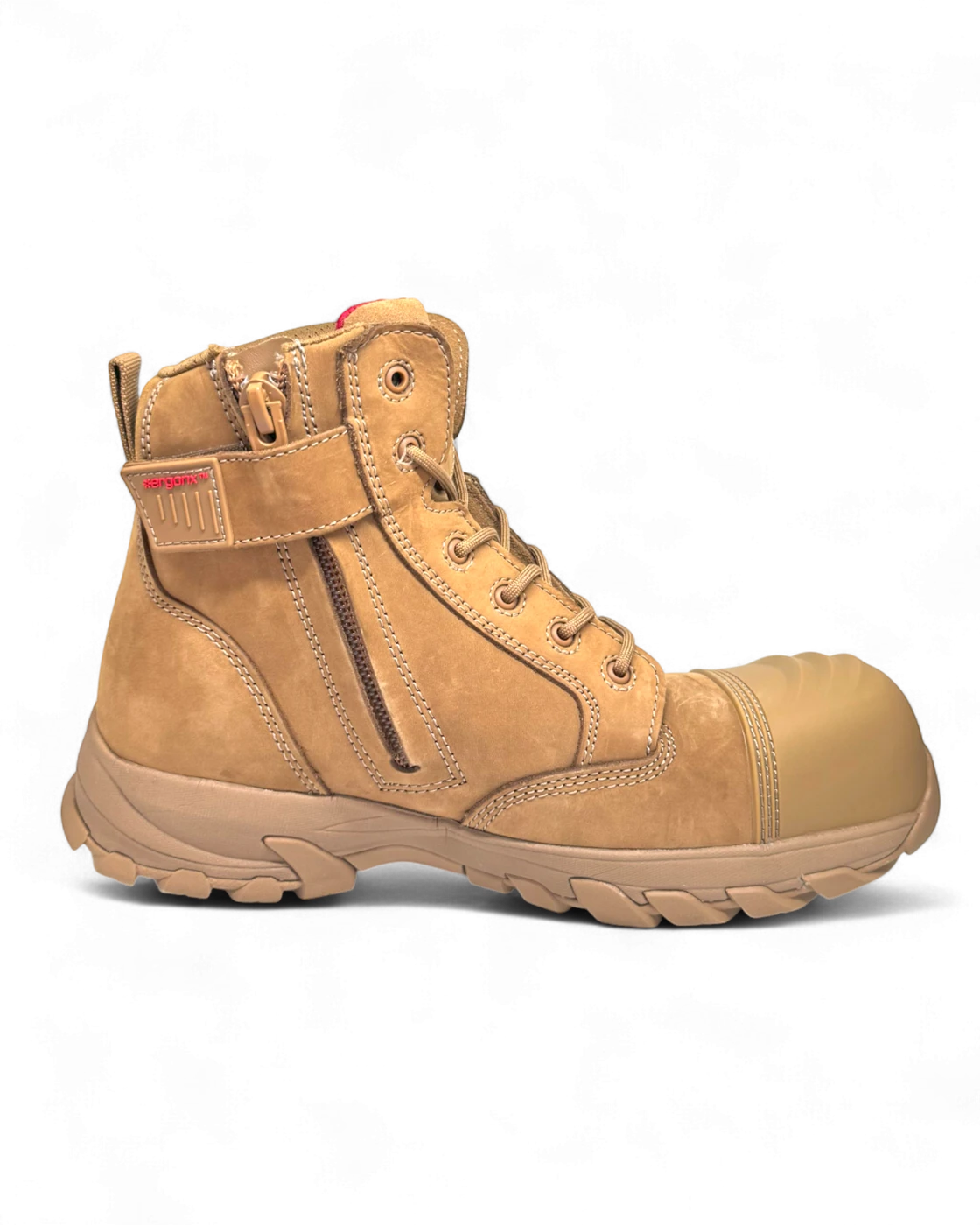
Choose your next step
One working week can mean several sites. Choose boots for the protection required on each job, then check support, fastening and room through the forefoot.
Construction boots need to match your site rules and the way you move. Start with the required protection, then compare secure fit, underfoot support and boot coverage.
From set-out to handover, a builder needs footwear that fits the task. Compare adjustable boots that hold the heel securely without crowding the toes.
Choose electrician footwear against the electrical risks and PPE requirements of the task. Composite toes and antistatic construction do not establish electrical insulation.
Kneeling, climbing and carrying put your boots through a changing day. Compare Helium's lace-up fit and underfoot support, then verify protection for the surfaces and exposures on your jobs.
Choose a boot that stays secure through measuring, framing and fit-off work. Compare adjustable fastening, toe room and movement at the forefoot.
Concreting footwear must suit the specific task and exposure. General leather safety boots should not be assumed suitable for standing in wet concrete.
Landscaping combines outdoor terrain with lifting and kneeling. Match protection to tools, materials and ground conditions, then check fit over a full range of movement.
Civil works footwear starts with project requirements. Compare only models that meet the site's protection brief, then assess stability, fastening and shift comfort.
Mining footwear is site and role specific. Begin with the approved footwear specification, then compare fit, coverage and support for long shifts.
Workshop footwear should suit your floor, equipment and daily movements. Compare secure fastening, forefoot movement and the documented sole specification.
Welding and fabrication can require specialist footwear. Confirm protection against heat, sparks and molten material before considering an ordinary work boot.
Choose manufacturing footwear around your workstation, walking routes and site rules. Compare low-cut shoes and boots only where their protection meets the same brief.
Maintenance work changes from one job to the next. Choose footwear against the hazards of the task, with fit that supports repeated climbing, crouching and walking.
Field crews need footwear selected for the actual network, terrain and task. General safety footwear is not a substitute for specialist electrical or environmental protection.
Warehouse footwear should suit concrete floors, repeated walking and site protection rules. Compare a low-cut safety shoe with boots where both meet the job's requirements.
Logistics footwear has to work across dispatch floors, loading areas and changing tasks. Start with required protection and compare the fastening and profile that fit your day.
Driving and loading call for different footwear checks. Choose a model that meets depot requirements and lets you operate pedals safely without an awkward or loose fit.
Airport roles have different footwear rules. Confirm airside, screening and workplace requirements before choosing by comfort or a metal-free description.
Farm work ranges from dry sheds to wet paddocks and machinery tasks. Match footwear to the actual exposure, then choose a fit and fastening that suit the day.
Healthcare footwear should follow your employer's uniform, hygiene and protection rules. Compare fit and underfoot comfort for the way you move through a shift.
Hospitality shoes should match kitchen or front-of-house requirements. Check slip performance, cleanability and the protection needed for your role before comparing comfort.
Facilities work moves between corridors, service rooms and maintenance tasks. Choose footwear against the tasks you perform, then compare fit for long walking routes.
First responder footwear must match the service's uniform and operational requirements. A soft-toe boot and a certified safety-toe boot serve different protection needs.
Put the job into context
Use the guides below to compare a specific question. Start with the protection your work requires and the way the footwear fits you.
Use these Ergonx guides to compare the footwear features relevant to your working day. Follow the exact product for its current sizes, widths, safety details and customer reviews.
Compare work boots